
Every band director has experienced the total operational exhaustion of a competitive season. You are trying to stand on the podium to balance a complex musical transition, but your focus is shattered by a dozen logistical distractions. A percussionist cannot find a mallet cart, a trumpet player's music stand is broken, a freshman is missing their drill coordinate sheet, and the rehearsal stadium sound system won't power on.
When a director functions as the sole logistical manager of a music program, high-level artistic instruction stops. You waste critical instructional time moving podiums, hunting down missing equipment, and chasing down stray folders. The result? Rehearsal pacing slows to a crawl, and your ensemble's competitive development plateaus.
Elite directors know that the secret to a high-efficiency rehearsal hall isn't working longer hours—it’s building a highly structured, autonomous Student Logistics Team. By treating your student officers like a corporate operations crew, you can automate your classroom setup, drop logistical transition lag to zero, and free yourself to focus entirely on the music. Here is the operational framework to build an independent team that runs your rehearsals for you.
1. Deconstruct the "Popularity Contest" Officer Board
The traditional model of electing student leaders via a popular vote is an immediate recipe for operational failure. When students vote for their friends, you often end up with an officer board of socially charismatic teenagers who have zero organizational, technical, or logistical management skills.
Abolish standard student elections for logistical roles and transition to a formal Job Application and Interview Process. Treat your program like a professional organization. Require interested juniors and seniors to submit a formal resume, secure recommendations from faculty members, and sit through a structured interview with the directorial staff. Move away from generic titles like "Band President" and appoint specialized operational executives. Your Chief Logistics Officer will manage the field setup crew and warehouse tracking. Your Director of Media and Technology will control the sound system, metronome arrays, and video recording decks. Your Chief Quartermaster will oversee instrument checkout, locker management, and maintenance supply tracking.
2. Implement the "Grid-Map" Standard Operating Procedure
You cannot expect a student logistics crew to set up a complex rehearsal arch or outdoor grid accurately if the instructions live entirely inside your head. If the room layout varies every day, students will constantly drop gear in the wrong positions, forcing you to step down from the podium to fix it.
Construct an absolute, standardized visual blueprint of your rehearsal spaces. Create a digital "Grid-Map" document for every ensemble configuration—Concert Band setup, Marching field layout, and Pep Band blocks. Lamination-wrap these blueprints and post them permanently next to the equipment doors. Specify the exact coordinates for the percussion racks, the precise spacing of the chair arches, and the exact placement of the director's podium. When the logistics crew walks into the room twenty minutes before the bell rings, they simply match the physical room to the blueprint, leaving you with a perfectly calibrated rehearsal hall every single day.
3. Automate the "First-Aid" Instrument Maintenance Station
Minor equipment failures—a dry valve, a loose adjustment screw, or a warped reed—can easily derail a student's focus and eat up five minutes of valuable rehearsal time while they search for oil or tools.
To prevent these micro-stalls, task your student quartermasters with managing a centralized, mobile "First-Aid Maintenance Cart" placed directly inside the main rehearsal walkway. Keep the cart's inventory cabinets stocked with premium hardware tools and care accessories. Outfit your woodwind lines with Premium Bulk Reeds directly from Reeds for Less so your section leaders can instantly replace a split or waterlogged reed without stopping the section's pacing. Issue your flute and clarinet lines protective Pad Guards to keep their pads flat against the tone holes inside their cases, preventing the hidden air leaks that cause unexpected technical skips during deep reading blocks.
4. Deploy Rapid Mechanical Tune-Up Kits
A dragging valve casing or a gritty trombone hand slide will cause a student to over-blow, destroying your section's vertical tonal alignment. Rather than letting students struggle through a rehearsal with sticky gear, train your logistics crew to run high-speed maintenance stations.
Equip your brass section leaders with specialized care bundles sourced in bulk from Reeds for Less. Ensure they have high-tensile Trumpet Snakes and flexible, vinyl-coated Trombone Snakes readily available in their locker bays. During designated mental palette cleansers or transition blocks, have your student officers run a quick mechanical check. Clearing out internal scale and grit drops mechanical latency to zero, allowing pistons to slide with a light touch so your brass sections can project a dark, resonant core sound with an open throat.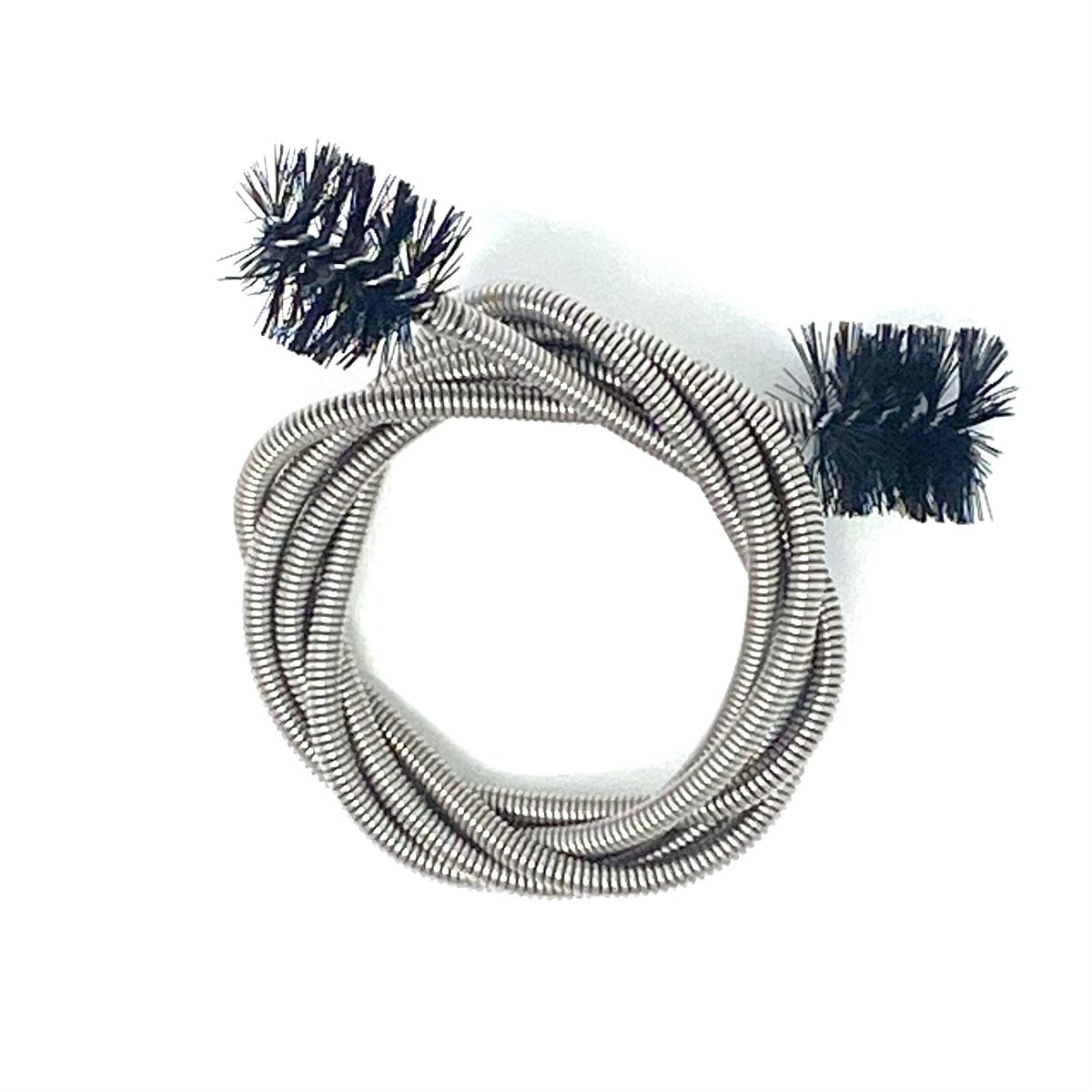
5. Enforce the Mouthpiece Decontamination Protocol
The quick spread of cold and flu viruses through a band room can instantly spike student absenteeism and crush your section balance weeks before a major evaluation. The primary vector for this cross-contamination is the instrument mouthpiece.
Turn health and safety into an automated student-led metric right at the equipment exit racks. Before any instrument is placed back into its travel locker, require your student section leaders to mist all mouthpieces using a high-efficiency Sanitizing Air Spritz solution. This rapid-drying sanitizing spray neutralizes oral bacteria and biological molds in under thirty seconds. Pairing this step with a quick moisture sweep—having your saxophone lines run an ultra-absorbent Saxophone Pull-Through Swab completely through their horns—keeps your inventory dry, clean, and completely fresh for the next morning's downbeat.
🛒 Why Institutional Buyers Partner with Reeds for Less
Managing a school music department budget requires balancing extreme cost efficiency with zero compromises on quality. At Reeds for Less, we specialize in outfitting complete band programs with premium, factory-fresh woodwind and brass supplies at aggressive wholesale rates. From section-wide reed matching to filling your inventory cabinets with bulk lubricants and care kits, we provide the competitive edge your program deserves.
📝 Seamless School District Purchase Orders (POs)
We make the institutional procurement process completely stress-free for educators. We gladly accept an official Purchase Order. For maximum convenience, your administration or booster club can simply select Purchase Order at checkout to instantly pay with a school credit card, or choose to submit the cart directly to receive an official, tax-compliant quote for your finance department's approval.
👉 Ready to optimize your program's budget? [Contact our Bulk Institutional Sales Team or Request a Custom Purchase Order Quote Today!]
💡 Want to discover more blueprints for combating bio-films, navigating district bureaucracy, or mastering marching trailer layouts? Check out our Other blogs for more tips and tricks to give your music program a distinct competitive advantage!