
It is a pivotal moment in your program's long-term developmental cycle. You look at your scoring layout for the upcoming competitive festival season, and you recognize a severe structural vacancy in your low-frequency foundation. To build a dark, mature symphonic balance, you must recruit a team of advancing middle-schoolers or underclassmen to step away from their high clarinets, alto saxophones, and cornet lines and step up to fill your open bass clarinet, baritone saxophone, and euphonium chairs.
The initial transition phase often hits a massive performance plateau. When small-stature students wrap their hands around a large, heavy instrument tube for the first time, their tone quality turns thin, airy, and severely flat. They struggle to manage their lung capacity, drop their pitch center during sustained entries, and back off their air support out of physical frustration. If left unmanaged, these execution errors blur your section's vertical alignment and result in a broken, top-heavy ensemble sound footprint.
Elite directors know that guiding a student to scale up to a large background instrument isn't just about lung capacity; it is a mechanical engineering problem. By standardizing large-bore air velocity curves, deploying localized pad protection systems, and eliminating internal tubing latency, you can stabilize your low-frequency lifeline fast.
1. Implement the "Open-Throat Yaw" Air Compression Curve
The primary reason a young musician struggles when transitioning to a low woodwind or large-bore brass horn is that they attempt to fill the large tube using their high-instrument air dynamics. A flute or cornet player naturally relies on high-pressure, thin air streams. If they carry that pinched air velocity curve into a bass clarinet neck or a euphonium mouthpiece, the note will choke, split, or drop flat instantly.
Teach your advancing players to completely restructure their internal oral cavity by executing the "Open-Throat Yaw" calibration sequence. Instruct them to drop their root tongue position downward toward the floor of their mouth while raising their soft palate—exactly like the physical muscle sensation of a wide, unvoiced "Yaw" yawn. This physical configuration widens the internal air column, lowering air velocity while maximizing the sheer volume of air delivered per second. This open compression curve fills the massive internal bore instantly, transforming an airy hiss into a dark, resonant core tone center across the row.
2. Deploy Large-Post Pad Protectors to Cure Structural Lag
Low woodwind instruments—such as bass clarinets and baritone saxophones—feature massive key rods, long pivot axles, and expansive pad surface areas. Because these complex key post configurations take an absolute beating during daily transportation through school hallways and travel trucks, the large bladder skins can rapidly warp, shift, and develop catastrophic, hidden air leaks. When a student tries to drop into the low register on a leaking horn, they must squeeze the keys with excessive physical hand pressure, locking up their throat and fracturing their tone color.
Turn low-register mechanical protection into an absolute prerequisite for your transitioning students. Provide your inventory cabinets directly through wholesale institutional channels. Order a Clarinet Pad Saver Bulk 10-Pack to hold delicate key post configurations perfectly stable and keep pad skins flat against the tone holes inside their hard cases. This specialized layout dries out hidden condensation while holding the key pads flat against the tone holes. Preventing micro-leaks ensures the horn seals instantly with a light touch, allowing your musicians to build a relaxed, open, and tension-free embouchure.
3. Scrub Out Internal Scale to Lower Brass Air Resistance
Young low-brass musicians face an identical drop in tonal maturity when their large-bore tubing is clogged with environmental field dust and caked scale. When a background euphonium or horn player layers fresh valve oil over a mixture of dried spit and slide grease, it forms a rough layer inside the metal tubing that alters the instrument's natural acoustic volume, making the horn feel highly resistant, stuffy, and slow to respond.
Make deep manual cleaning a strict administrative metric for your low brass rows. Provide your trumpet, horn, and euphonium sections with a Trumpet Snake Bulk 10-Unit package to thoroughly clear out caked scale from internal tuning curves. Issue your trombone players a flexible Trombone Snake Bulk 10-Unit package to vigorously scrub caked road grit from their outer hand slide tubes. Stripping internal caked debris down to bare metal drops mechanical latency to zero, allowing pistons and slides to move effortlessly with a light touch so your brass players can project an open, resonant tone center with a relaxed throat.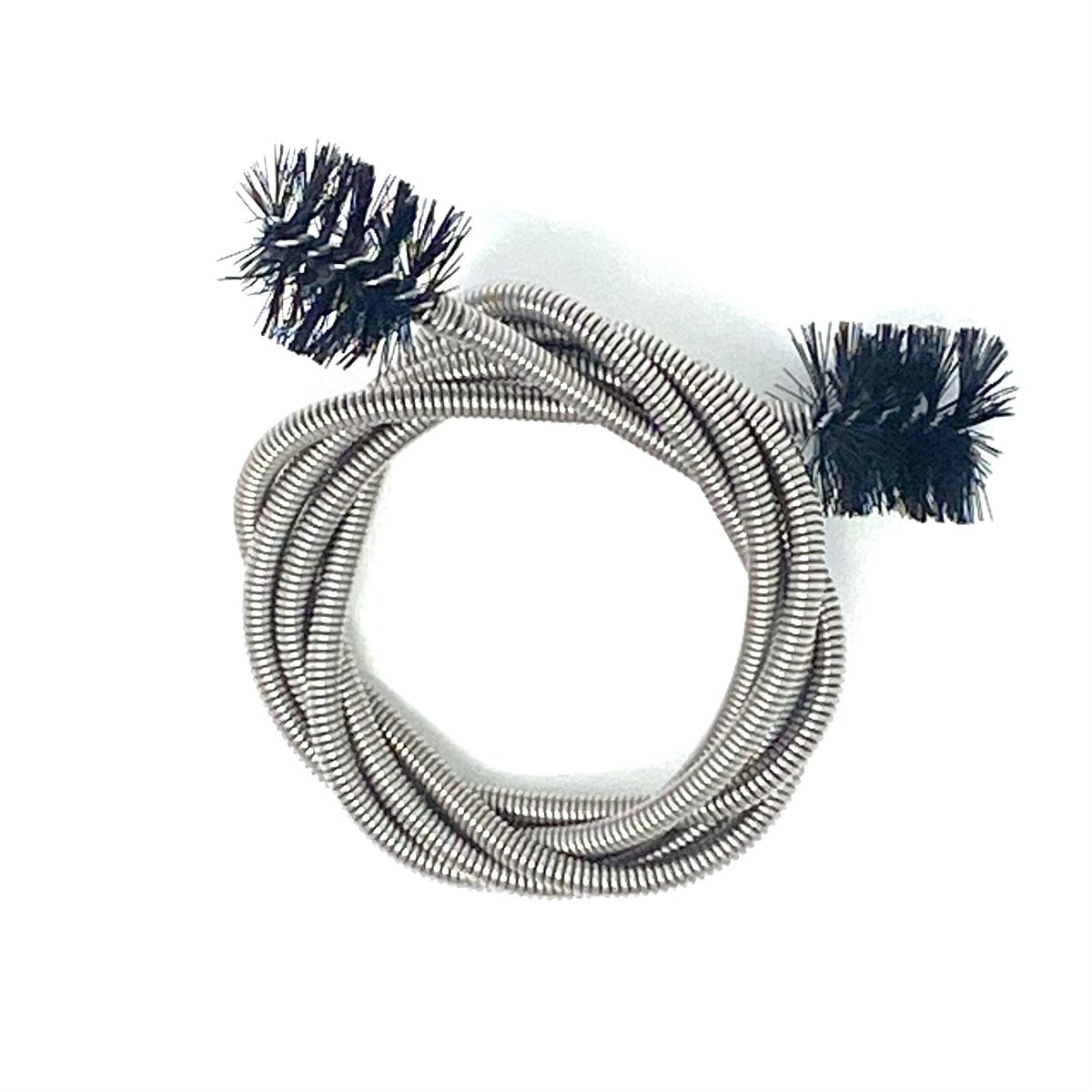
4. Execute Clear Bore Sweeps to Prevent Water Gurgling
Because large background instruments contain a massive amount of internal bore space, they rapidly accumulate large volumes of internal moisture during intensive rehearsal blocks. If this condensation isn't cleared out systematically, it travels straight into the side tone holes, rotting the pad skins and creating a notorious "gurgling" or "watery" texture that completely destroys pitch center stability.
Establish a strict moisture-clearing protocol before any high-stakes performance or evaluation block. To keep your full ensemble operating at peak clarity, utilize active moisture sweeps as deliberate mental palette cleansers between intense reading blocks. Mandate that your baritone and tenor saxophone players run a heavy-duty Cleaning Swab for Large Instruments completely through their body tubes to dump internal moisture caches entirely. Clearing the bore cache dry removes acoustic distractions, ensuring that your low-frequency foundation remains completely seamless and pristine.
5. Balance Section Resistance with Wholesale Reed Rotation
The absolute quickest way to tank a transitioning low woodwind section's intonation profile is to let them perform on worn-out, soft cane reeds. Students will play on chipped, waterlogged, or heavily warped cane for months to save money, forcing their facial muscles to bite down aggressively to make notes speak, leading to chronic embouchure fatigue and poor pitch control.
Control this final variable completely by leveraging your booster club's institutional purchasing power. Partner directly with Reeds for Less to source from their complete Bulk Reeds Collection at aggressive wholesale institutional rates. Supplying your sections with uniform bulk boxes ensures that every player in the row is balanced on identical strengths and factory-fresh cuts.
To keep mouthpieces clean and free of performance-choking bacteria during these high-intensity winter testing weeks, require your student logistics team to treat the gear daily with Sterispritz. For deeper manual cleaning of internal ports and bore channels, provide them with a Mouthpiece and Valve Brush Bulk of 20 bundle to clear away caked deposits. Keeping the gear clean and the reeds matched drops response lag to zero and eliminates the structural variables that lead to student frustration, giving your ensemble a clear advantage when they step onto a concert stage.
🛒 Why Institutional Buyers Partner with Reeds for Less
Managing a school music department budget requires balancing extreme cost efficiency with zero compromises on quality. At Reeds for Less, we specialize in outfitting complete band programs with premium, factory-fresh woodwind and brass supplies at aggressive wholesale rates. From section-wide reed matching to filling your inventory cabinets with bulk lubricants and care kits, we provide the competitive edge your program deserves.
📝 Seamless School District Purchase Orders (POs)
We make the institutional procurement process completely stress-free for educators. We gladly accept an official Purchase Order. For maximum convenience, your administration or booster club can simply select Purchase Order at checkout to instantly pay with a school credit card, or choose to submit the cart directly to receive an official, tax-compliant quote for your finance department's approval.
👉 Ready to optimize your program's budget? [Contact our Bulk Institutional Sales Team or Request a Custom Purchase Order Quote Today!]
💡 Want to discover more blueprints for correcting middle school horn hand positioning, managing reed rotation rituals, or navigating district procurement bureaucracy? Check out our Other blogs for more tips and tricks to give your music program a distinct competitive advantage!