
It is a standard scene executed in nearly every school band hall in the country. The director steps onto the podium, sounds a concert B flat or F pitch generator through a speaker, and passes an electronic tuner down the rows of chairs. Each student watches a needle on a screen, pulls their tuning slide out a millimeter or adjusts their mouthpiece until a green light flashes, and looks up with satisfaction. The director smiles, nods, and drops the baton for the opening chord of a lyrical contest selection.
Then, the acoustic illusion shatters. Within three measures, the ensemble's overall pitch center sounds watery, shrill, and completely out of tune. The director pauses, confused, and asks, "How can we sound this bad when everyone just tuned to a green light?"
The uncomfortable truth is that your traditional tuning note routine is actually masking severe internal intonation flaws. Relying on static pitch matching before a rehearsal disengages your students' ears and leads to physical mechanics that actively fight the physics of their instruments. True, professional-level intonation isn't achieved by setting a mechanical slide placement; it requires shifting from passive pitch checking to an active, dynamic listening framework. Here is how to correct your tuning routine and build an unshakeable ensemble pitch center.
1. Eliminate the "Green-Light Dependency" Trap
The primary reason student bands sound out of tune on stage is a total dependency on electronic tuners during warm-up blocks. When a teenager stares at a screen to adjust their instrument, they are using their eyes to solve a purely acoustic problem. They change their pitch center by altering their embouchure pressure or jaw position just enough to cheat the needle into the center.
The moment the screen is turned off and the student looks down at a real music score, their jaw relaxes, their embouchure reverts to its natural habit, and the pitch instantly shifts out of alignment. You must train your musicians to use their ears instead of their eyes. Ban individual digital screens during the unison warm-up sequence. Instead, force the room to tune against a loud, stable acoustic drone. Instruct them to listen for the presence of physical sound waves, known as "beats." Teach them that if they hear a rapid, buzzing pulsation in the air, they are out of tune. They must adjust their main slide until the friction vanishes and the sound waves blend into a smooth, seamless wall of tone.
2. Separate Mechanical Micro-Adjustments From Embochure Flaws
Before an instrument can be tuned dynamically, it must be operating at full mechanical efficiency. If a student is trying to adjust their pitch while dealing with microscopic air leaks or stiff, resistant internal parts, they will naturally tighten their throat or squeeze their lips to compensate. This physical tension ruins their tonal core and leads to an inherently brittle register.
Turn hardware maintenance into an absolute prerequisite for your intonation blocks. Keep your equipment lockers stocked with premium asset protection gear. Issue your clarinet and flute sections structural Pad Guards directly from Reeds for Less to stabilize their key pads flat against the tone holes when their instruments are stored. This simple mechanical shield eliminates unexpected pad warping and hidden air leaks, allowing your woodwinds to blow with a relaxed, open stream of support.
To ensure your brass players can alter their tubing lengths effortlessly on the fly, provide them with high-tensile Trumpet Snakes and flexible Trombone Snakes to scrub out internal scale buildup from their tuning slide curves during weekly maintenance blocks. Clean metal surfaces ensure that a slide can be adjusted with a light touch of a thumb, rather than requiring two hands to wrench a stuck pipe into place.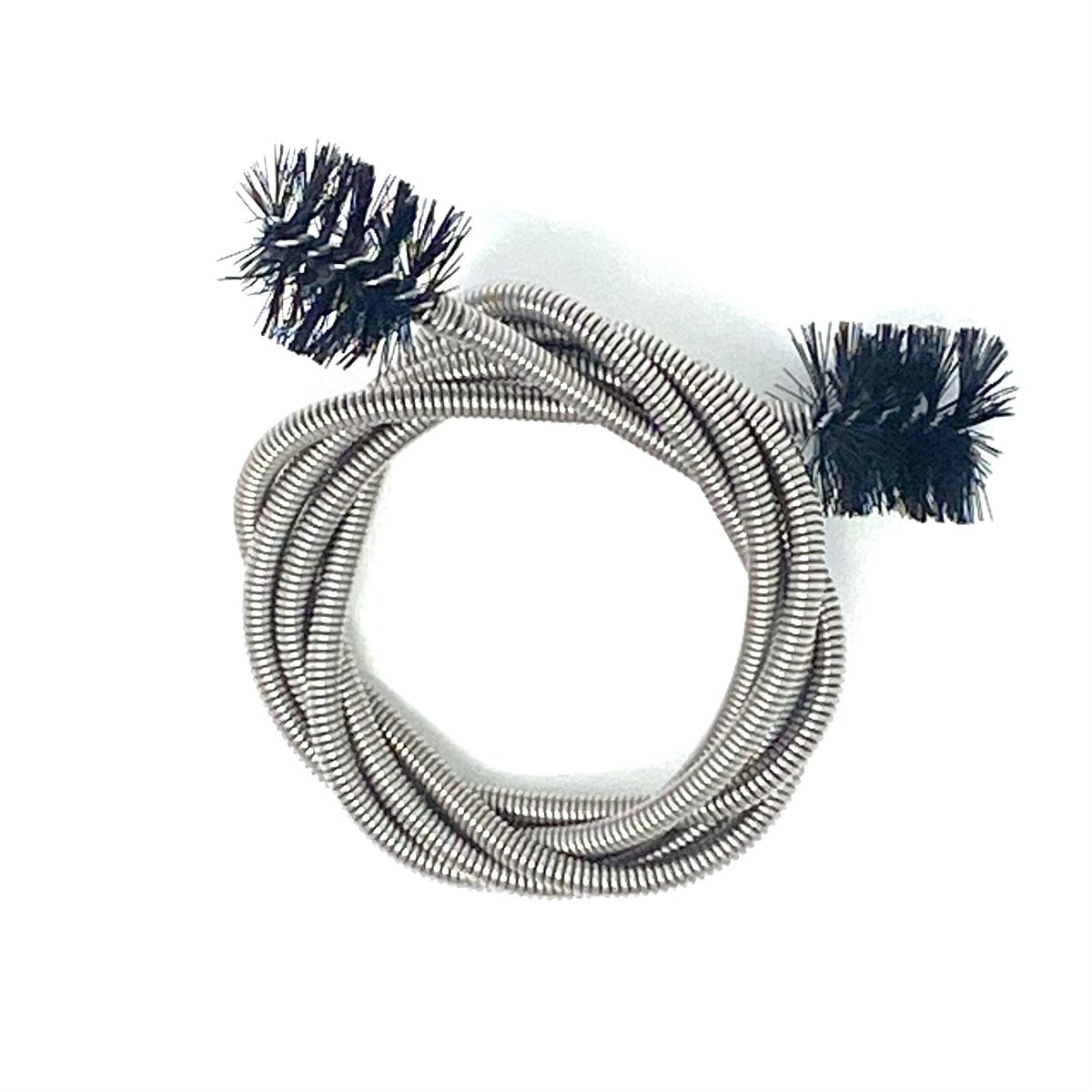
3. Account for the Thermodynamic Reality of Wind Instruments
A wind instrument is a physical heat exchanger. As a musician blows hot, humid breath through the cold brass or wooden tubing, the internal air column rapidly warms up. Because sound waves travel faster through warm air than cold air, the overall pitch center of an instrument will naturally rise as it gets hotter.
If a student pulls their main tuning slide while their instrument is still cold at the beginning of a block, the horn will inevitably drift sharp ten minutes later. Enforce a strict thermodynamic rule: never adjust a mechanical tuning slide until the instrument has been played continuously for at least five minutes. Have the full band blow soft, unvoiced air through their horns to warm the metal up to core body temperature before sounding the first official tuning note. This simple operational pause ensures that the mechanical adjustments made during warm-ups remain perfectly accurate throughout the entire rehearsal block.
4. Deploy High-Absorbency Microfiber Bore Dehydration
Accumulated internal moisture inside a wind instrument acts as a physical barrier that alters the acoustic volume of the tube. When condensation pools in the upper curves of a brass instrument or collects inside the side tone holes of a woodwind stack, it shortens the internal air column, throwing off the factory-calibrated tuning scale of the design.
Incorporate active moisture sweeps into your section tuning routines. Before allowing your saxophone lines to tune their middle register, mandate that they run an ultra-absorbent Saxophone Pull-Through Swab completely through their neck and body tubes to dry the bore cache entirely. Sourcing your specialized cleaning gear in bulk directly from Reeds for Less allows you to maintain clean, professional standards across every row. Clearing out internal moisture removes the acoustic distortions caused by pooled water, ensuring your woodwinds strike their targets with absolute pitch stability.
5. Balance Reed Textures to Standardize Section Resistance
You can spend weeks drilling ears to match pitch, but if your clarinetists and saxophonists are playing on mismatched reed styles or warped cane profiles, their individual intonation tendencies will never align. A soft, worn-out reed will naturally drop flat during a crescendo, while a stiff, unconditioned reed will pinch sharp during soft passages.
Control this variable completely by leveraging your program's purchasing power. Partner with Reeds for Less to outfit your entire woodwind line with Premium Bulk Reeds at wholesale institutional rates. When your sections are balanced on identical strengths and uniform cuts from Reeds for Less, their internal mouth-cavity resistance becomes completely standardized. This uniformity eliminates the unexpected pitch inflections that occur when students fight cheap or worn-out cane, giving your ensemble a clear advantage when they step in front of a contest judging panel.
To keep your mouthpieces clean and free of performance-choking bacteria during these long calibration blocks, have your student logistics team mist the mouthpieces daily using a high-efficiency Sanitizing Air Spritz solution. Keeping the gear clean and the reeds matched turns intonation from an accidental illusion into a predictable, high-performance habit.
🛒 Why Institutional Buyers Partner with Reeds for Less
Managing a school music department budget requires balancing extreme cost efficiency with zero compromises on quality. At Reeds for Less, we specialize in outfitting complete band programs with premium, factory-fresh woodwind and brass supplies at aggressive wholesale rates. From section-wide reed matching to filling your inventory cabinets with bulk lubricants and care kits, we provide the competitive edge your program deserves.
📝 Seamless School District Purchase Orders (POs)
We make the institutional procurement process completely stress-free for educators. We gladly accept an official Purchase Order. For maximum convenience, your administration or booster club can simply select Purchase Order at checkout to instantly pay with a school credit card, or choose to submit the cart directly to receive an official, tax-compliant quote for your finance department's approval.
👉 Ready to optimize your program's budget? [Contact our Bulk Institutional Sales Team or Request a Custom Purchase Order Quote Today!]
💡 Want to discover more blueprints for training student logistics teams, combating biological biofilms, or navigating district purchasing bureaucracy? Check out our Other blogs for more tips and tricks to master your music department logistics!